Ashanti Region: GUTA threatens to close foreign shops over retail takeover
The Ghana Union of Traders Association (GUTA) in the Ashanti Region has threatened to compel foreign nationals to shut down their shops if the Ministry of Trade, Agribusiness and Industry fails to reach what they describe as a fair and firm agreement with them over retail trade regulations.
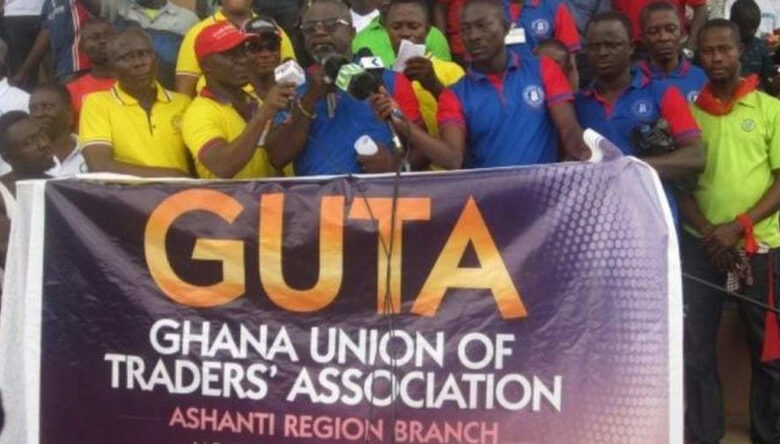
The Ghana Union of Traders Association (GUTA) in the Ashanti Region has threatened to compel foreign nationals to shut down their shops if the Ministry of Trade, Agribusiness and Industry fails to reach what they describe as a fair and firm agreement with them over retail trade regulations.
According to the association, the growing presence of foreign nationals in the local retail space is gradually pushing Ghanaian traders out of business and weakening indigenous enterprises.
Speaking to Citi News, the Ashanti Regional Vice Chairman of GUTA, Nana Nyame, expressed deep concern over what he described as the increasing takeover of local markets by foreign operators, contrary to existing trade laws which reserve certain retail activities for Ghanaians.
“We have not seen enough commitment from successive governments to support local traders. In many of the markets, Nigerians and Chinese nationals are dominating the space. They don’t pay their taxes, and in some cases, one individual can own as many as six shops, far more than many Ghanaian traders can afford.
“We recently met the KMA, they told us to allow them keep at least one of their shops open but we said we won’t agree. GUTA,” he lamented.
Meanwhile, the Association of Ghana Industries is proposing that foreign-owned shops operating in the retail sector allocate at least 40 percent of their shelf space to locally manufactured goods.
The Ashanti Regional Manager of AGI, Thompson Appam Attebila, argues that if foreign nationals choose to venture into retail trade instead of focusing solely on wholesale activities, they must demonstrate a clear commitment to promoting Ghanaian products.
“If we are going to allow them to do the retailing which was supposed to be reserved for us, then we should push them to sell part of what we produce in the country.
“If we give them a quota to sell for example 40 percent of made in Ghana produce, it will give local producers some advantage,” he said.
CitiNewsRoom