Energy Analyst Questions Govt’s Power Sector Assurances Amid Ongoing Outages
Story: Maurice Otoo
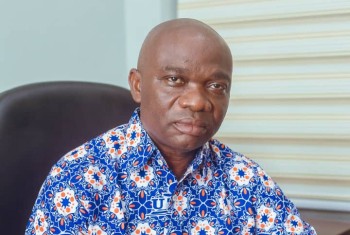
A political marketing analyst, Dr. Boakye Tutu, has raised concerns over inconsistencies in government communication regarding Ghana’s persistent power supply challenges, urging authorities to provide clearer answers as outages continue to affect parts of the country.
Speaking on the issue at Kessben TV’s PUNCH , Dr. Tutu noted that while the matter of “dumsor” has dominated public discourse, Ghana should have moved beyond such recurring energy crises. However, he argued that conflicting statements from the President and sector ministers, when compared with concerns from the minority, suggest that key questions remain unresolved.
According to him, although the Energy Minister has indicated that the fifth-generation power unit has been fixed and that about 450 megawatts of thermal support has been added, the situation on the ground does not fully reflect these assurances. He further called on government to renegotiate agreements with independent power producers, particularly Karpower, warning that the country could face deeper challenges in their absence.
Dr. Tutu stressed that historically, governments tend to struggle with power supply around certain times of the year, a pattern he believes is repeating itself. He explained that while Ghana’s installed generation capacity appears adequate, the real challenge lies in fueling these plants to meet peak demand.
Citing data consistent with insights from the Energy Commission, he noted that the inability to supply sufficient fuel to power plants has contributed significantly to the shortfall in electricity generation.
“This is why some areas are still experiencing outages,” he said, adding that the Western and Volta Regions appears to be among the hardest hit.
He estimated that Ghana currently faces a daily electricity generation shortfall of between 700 and 1,000 megawatts, a deficit that continues to strain supply.
Dr. Tutu warned that the impact of unstable electricity goes beyond households, affecting multinational companies as well as small and medium-scale enterprises, thereby posing a broader threat to economic productivity.
He urged government to adopt more sustainable and transparent strategies to stabilize the power sector and restore public confidence.