Asiedu Nketia, Julius Debrah Neck-and-Neck in NDC Flagbearer Race
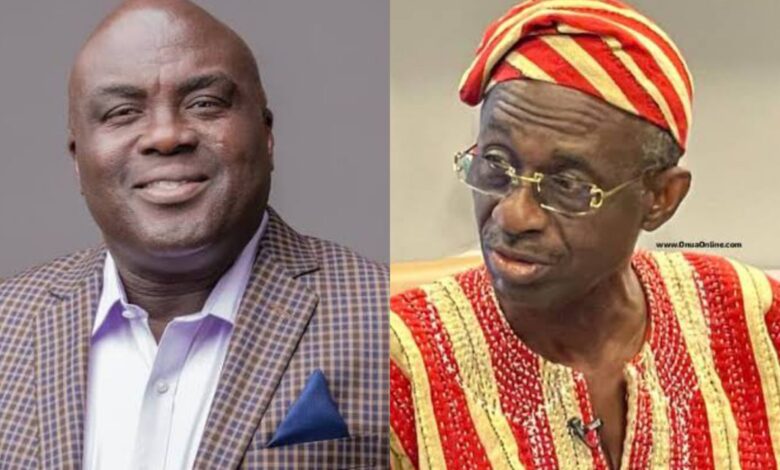
A new nationwide survey of constituency executives of the National Democratic Congress (NDC) has revealed a tightly contested race for the party’s 2028 presidential flagbearer, with National Chairman Hon. Johnson Asiedu Nketia and former Chief of Staff Hon. Julius Debrah running almost even.
The study, conducted by Africa Policy Lens (APL) between April 17 and 19, 2026, shows Asiedu Nketia leading marginally with 31.9% support, while Julius Debrah follows closely with 30.1%. The narrow gap of less than two percentage points highlights the absence of a clear frontrunner in what is shaping up to be a highly competitive internal contest.
When respondents were asked who they would vote for if elections were held immediately, the results mirrored the general support levels. Asiedu Nketia secured 32.7%, with Debrah polling 30.9%, indicating that preferences among constituency executives are relatively firm and evenly split.
The findings suggest that both candidates have built strong but limited support bases, with neither able to break away or consolidate a decisive lead. Analysts say the race is currently defined by stability at the top rather than momentum, leaving it open to shifts as campaigns intensify.
Beyond the two frontrunners, the survey points to the continued relevance of other contenders. Notably, Hon. Cassiel Ato Forson was identified by 27.1% of respondents as a “closest opponent,” second only to Asiedu Nketia in that category, despite trailing in overall support. This indicates that the broader field could still influence the final outcome.
The survey also sheds light on what is driving decision-making among party delegates. A majority of respondents cited experience and track record (66.1%) as the most important factor, followed by personal integrity and honesty (56.8%), and the ability to unite the party (46.8%). Policy proposals ranked lower at 27.9%, suggesting that delegates are placing greater emphasis on leadership credibility and cohesion.
According to the report, the race remains “highly competitive but inconclusive,” with the eventual winner likely to emerge based on their ability to expand beyond their core support, build alliances, and appeal to undecided delegates.
The survey drew 2,408 valid responses from across all 276 constituencies through an SMS-based questionnaire. While it achieved nationwide coverage, the report notes that participation was voluntary and may reflect some level of self-selection bias.
With both leading contenders locked in a statistical tie, attention is expected to shift to how candidates position themselves to attract broader backing within the party in the months ahead.