24-Hour Economy Is a Long-Term Game, Not a Quick Fix – Chief Programmes Officer
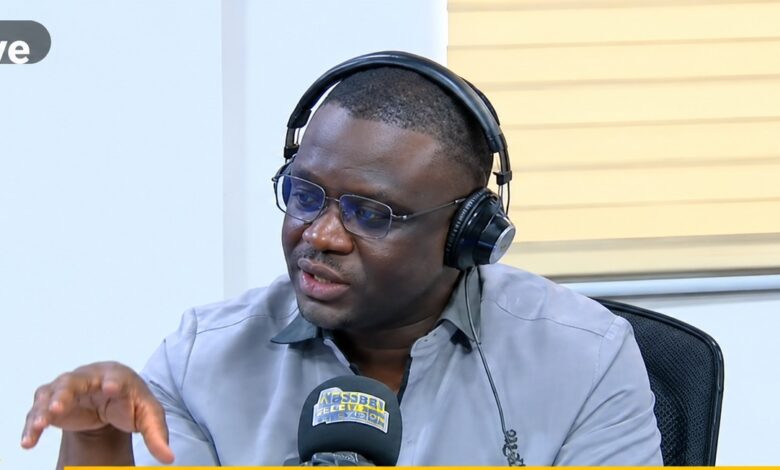
The Chief Programmes Officer of Ghana’s 24-Hour Economy initiative, Abdul Nasser Soglu Alidu, has urged Ghanaians to look beyond political rhetoric and focus on the long-term economic opportunities the policy is expected to create.
Speaking on the implementation of the initiative on Kessben Maakye show in Accra, he explained that the 24-Hour Economy policy is designed to generate sustainable employment, strengthen local industries and expand economic opportunities across the country.
According to him, Ghanaians must understand that economic transformation is a gradual process requiring commitment, investment and patience rather than political promises.
He stressed that the government must be held accountable through constructive questioning while citizens also appreciate the long-term benefits of the programme.
“The 24-hour economy is both a journey and a destination,” he quoted the President of the Republic, John Dramani Mahama.
Moreover, he referenced the President’s campaign message insisting that some selected public institutions would be made to kick start the policy and affirmed that eleven of such are currently operational, listing, Ghana Ports and Harbour Authority ( GPHA), Driver and Vehicle Licensing Authority (DVLA), Passport Office, Ghana Revenue Authority (GRA), Ghana Publishing Company, ADB, Immigration Services, Ghana Post, Ghana Airport Company, Ghana Investment Promotion Authority (GIPA), Ministry of Health (MoH).
Addressing concerns about job creation, Soglu explained that the initiative is focused on developing value chains capable of creating permanent and sustainable employment rather than relying solely on temporary jobs.
He noted that many university graduates continue to struggle to secure employment, making it necessary to expand both the formal and informal sectors to absorb the growing number of unemployed young people.
He further disclosed that 33 firms have so far enlisted in the 24-Hour Economy initiative, signalling growing private-sector interest in the programme.
On private-sector participation, he emphasised that the government’s responsibility is to create an enabling environment for businesses to invest, expand operations and generate employment.
He also referenced plans involving public institutions and the government’s proposed three-shift system, highlighting the broader ambition to increase productivity and economic activity.
Meanwhile, Soglu revealed that a power project has commenced at Buipe to support industrial operations with electricity at a lower cost.
He maintained that the success of the 24-Hour Economy initiative would depend on sustained investment, private-sector participation and a collective national commitment to economic development.