

Six Years After Akua Denteh’s Lynching, Ghana Still Has No Law Criminalizing Witchcraft Accusations
Amnesty International says delay leaves hundreds of women vulnerable to violence and displacement
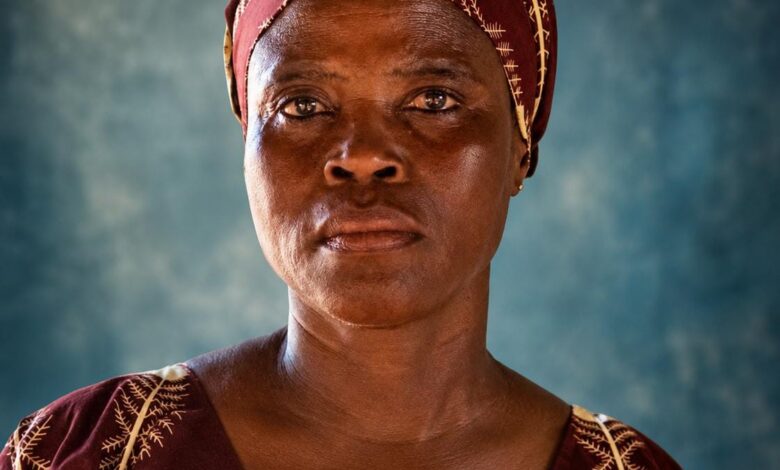
Six years after the brutal lynching of 90-year-old Akua Denteh, Ghanaian authorities have still not passed a law to criminalize witchcraft accusations, leaving hundreds of women at risk, Amnesty International has said.
In a public statement issued on Wednesday, July 23, 2026, Amnesty said the failure to enact the Anti-Witchcraft Accusations Bill* amounts to a failure in the state’s duty to protect victims.
“A Stark Reminder”
On July 23, 2020, Akua Denteh was beaten to death in front of a crowd in her home village of Kafaba in the Savannah Region after being accused of witchcraft. Video of the attack sparked nationwide outrage.
In 2023, two women seen in the video were sentenced to 12 years in prison for manslaughter.
But Amnesty notes that Akua’s case is not isolated. Hundreds of other women accused of witchcraft have been forced to flee their communities and now live in so-called “witch camps” overseen by religious leaders.
“Akua’s case is just one of the heart-wrenching examples of the dire consequences of witchcraft accusations. This tragic anniversary is a stark reminder of the urgent need to prevent further atrocities and ensure that innocent lives are protected,” said *Lamnatu Adam, Executive Director of Songtaba and partner of Amnesty International.
Who Is Most At Risk
Amnesty said accusations usually start within families or communities following events like illness or death.
Older women living in poverty, women with health conditions or disabilities, and those who do not conform to stereotypical gender roles are at greatest risk.
While the camps offer shelter, the organization’s 2025 report, “Branded for Life”, documented inadequate living conditions.
“While the belief in witchcraft is protected under international law, harmful practices that stem from the belief are not, and those impacted need protection and reparation,” the statement said.
“Witchcraft accusations and related abuses infringe on a person’s right to life, to security, and to non-discrimination, and must be criminalized.”
The Bill That Stalled
Parliament passed the Anti-Witchcraft Accusations Bill in July 2023. The bill sought to make it illegal to accuse individuals of witchcraft, establish protective measures and support systems for the accused, and provide a legal pathway for victims to seek justice and compensation.
It was not signed into law by former President Nana Akufo-Addo, who cited constitutional concerns because it was introduced as a private member’s bill instead of a government bill.
Since then, no new bill has been reintroduced to parliament.
Amnesty is now calling on the current government to urgently reintroduce and pass specific legislation to protect victims and bring perpetrators to justice.
#EndWitchcraftAccusations #JusticeForAkuaDenteh #Ghana #HumanRights #AmnestyInternational


