NDC internal election storm: Majority accused of ‘rushed’ annulment over vote-buying claims
Story: Maurice Otoo
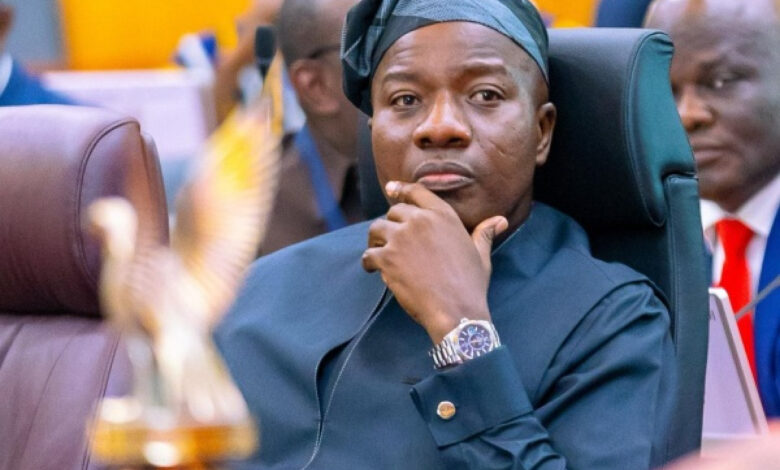
Fresh controversy has erupted within the National Democratic Congress (NDC) following claims that the Majority in Parliament hastily sought to annul an internal election over alleged vote-buying without clear constitutional backing.
According to party insiders, a committee set up to probe the matter acknowledged concerns of bribery but admitted it could not annul the election results because the party’s statutes do not provide explicit rules governing internal electoral malpractices such as vote buying.
The development has sparked sharp reactions from key figures.
Following a zoom discussion on Kessben TV’s “Digest” Dr. Kwabena Bomfe stated he was not surprised by the outcome of the committee report, arguing that the Majority failed to point to any specific constitutional provision or NDC bylaw addressing the alleged infractions before proposing annulment.
He further criticised what he described as excessive focus on the negative aspects of the committee’s report, insisting the broader issues at stake were being ignored.
Questions have also been raised over the Presidency’s decision to recall Baba Jamal amid the controversy. Critics argue the move was premature, citing the lack of thorough investigations and referencing the legal principle of audi alteram partem — the right to be heard.
However, Dr. Ohene Gyan defended the process, claiming the Majority acted in haste by issuing a statement annulling the election based on what he described as unproven allegations.
“I will not fault the Presidency for recalling Baba Jamal considering his ambassadorial position and his intention to contest for an MP seat,” he noted.
Despite the tensions, some party voices have applauded the NDC for conducting internal investigations and respecting both its constitution and the Electoral Commission’s declared results, particularly given the time-sensitive nature of the electoral calendar and potential court implications.
Observers say the unfolding drama reflects deeper power dynamics within the party.
Adding another layer to the debate, Professor Nii Noi Nortey suggested that financial inducement is a widespread issue across all levels of elections in Ghana, arguing that society often pretends otherwise.
“The only realistic way to reduce it is by expanding the voter base. Otherwise, the practice will persist,” he stated.
Delegates, however, reportedly claimed that inducements do not necessarily influence their final decisions, as they often receive support from multiple candidates.
Meanwhile, calls have emerged for Baba Jamal not to be turned into a “scapegoat” as the party navigates the consequential political fallout.
The controversy is expected to intensify as stakeholders weigh legal, ethical, and political implications ahead of the next electoral cycle.