Creatives and Industry Experts explore opportunities in Africa’s creative economy at DTI-A NextUp Breakfast Meeting
Creatives, legal experts, entrepreneurs, and industry stakeholders gathered at the Drive to Inspire — Africa (DTI-A) NextUp breakfast meeting to discuss the opportunities and challenges shaping Africa’s creative economy. The event took place on Wednesday, 4th February 2026, at the Accra International Conference Centre (AICC) on the sidelines of the Africa Prosperity Dialogues 2026 (APD 2026).
The meeting, moderated by lawyer Vanessa Appiagyei, served as a platform for participants to share insights on how the creative sector can thrive in an increasingly competitive and evolving landscape. Discussions highlighted the importance of legal literacy, business strategy, and sustainable growth for emerging creatives, as well as the role of collaboration between artists, entrepreneurs, and legal professionals.
*Explore beyond streaming for revenue*
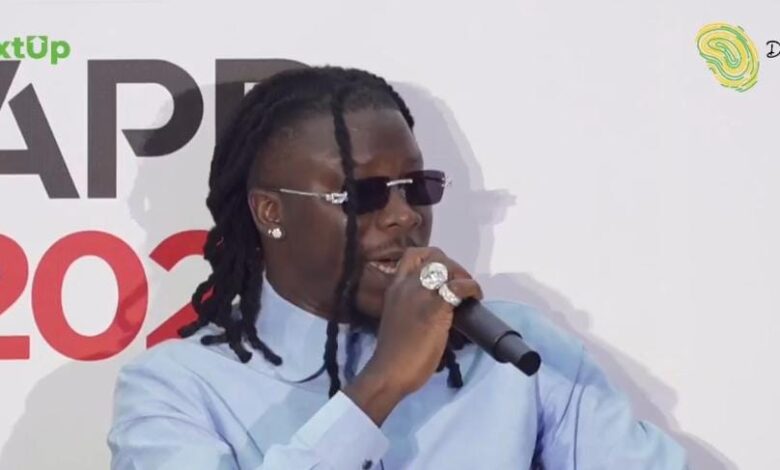
A panel member, renowned Ghanaian musician Stonebwoy called on artists to diversify their revenue streams, highlighting the limitations of earning solely from digital music platforms.
Stonebwoy noted that the shift from physical music formats to streaming has created serious challenges for artists, especially in this part of the world.
He explained that vinyl records once held significant musical history and valuable data, but with the industry’s transition into streaming, the revenue artists earn from digital platforms has become very limited.
*Preparation, collaboration key*
Another panelist, Aku Addy, Brand Architect and Founder of Wollo, emphasized that success in the creative industry hinges on being prepared for opportunities and knowing how to harness them effectively.
Touching on strategies for artistic growth, Addy underlined the need for creators to anticipate and maximize moments that can advance their careers.
“I think being prepared for the moment counts—not necessarily in the way you expect, but all the guidance and advice shared by others matters. In the structure of the creative space, you can take the lead when the right moment comes,” Addy said.
She explained that moments of opportunity are often unplanned, and success depends on being ready to use them as a launchpad. “You might pick up something you created, or someone might gift it to you, and suddenly there’s attention on your work. The question is: do you have the preparation to meet that demand? Can you turn that moment into a partnership, use it in your reels, or leverage it in other ways?
*Piracy and poor monetization*
Juliet Ibrahim, actor, author, filmmaker, and President of Women in Film, TV & Media Ghana (WIFT Ghana), highlighted the systemic challenges African creatives face in monetizing their work on digital platforms.
Ibrahim noted that while Africa, particularly West Africa, produces content consumed globally, artists often receive only a tiny fraction of the revenue generated. “We use social media, we use all these platforms, but we always get the smallest share of what’s being shared,” she said, citing platforms such as YouTube and Instagram.
She explained that piracy remains a persistent problem. Unlike Hollywood, where systems exist to mitigate revenue losses from illegal distribution, African creatives often lack legal frameworks to protect their work. “Even if piracy happens in Hollywood, they still make money. Here, we don’t have that system,” Ibrahim said, noting instances where her own films were shown on TV stations without authorization, undermining potential earnings from her YouTube channel.
Ibrahim stressed that structural gaps extend across the creative ecosystem, including film, digital content creation, and social media. She contrasted the experiences of African creators with those abroad, pointing out that content creators in the U.S. can earn thousands of dollars from platforms like Instagram for posts that gain high engagement, while African creators receive little to nothing for similar content.
*Education for African creatives*
Bernard Sokpe, Co-founder of Jambo Space, called for deliberate business education and stronger institutional support to protect African creatives as their careers begin to gain momentum.
Sokpe observed that many creatives focus primarily on achieving fame, with little attention paid to the business side of their craft. According to him, a single viral moment can quickly push artists into complex business conversations they are unprepared for.
He noted that this lack of preparation often creates tension when close friends take on managerial roles without adequate business knowledge. Sokpe explained that while trust may exist initially, discussions around contracts and revenue sharing can strain relationships and derail promising careers.
He also warned that some industry players exploit creatives’ lack of business awareness, taking advantage of artists who are more interested in creating than negotiating. He said experienced artists usually learn these lessons through difficult encounters, forcing them to restructure their teams and become more intentional about how they operate.
*Owning business rights*
Philip Edem Kutseinyo, Partner at Africa Legal Associate (ALA), urged young creatives to take ownership of the business side of their craft and avoid sacrificing long-term economic rights for short-term gains.
Mr. Kutseinyo noted that many emerging artists are eager to “blow up” and, in the process, accept unfavourable contracts that strip them of rights tied to their own work. He questioned how many young creatives truly understand the industry they are entering, stressing that beyond engaging lawyers, creators must first understand the value they generate and the various income streams connected to their intellectual property.
Using music as an example, he encouraged creatives to ask critical questions about their roles and rights: whether they are composers or lyricists, who owns the recordings, and how branding elements such as names, images, and trademarks are managed. According to him, these are issues that should be clearly understood even before engaging a manager, noting that managers are hired to work for the artist not the other way around.
Mr. Kutseinyo warned that power imbalances often arise when managers or labels provide funding, studios, accommodation, and other perks, making creatives feel dependent and reducing them to “products” being sold. He emphasized that under copyright law, creators automatically own the rights to their work, but poor contracts can easily lead to the assignment of those rights to others, sometimes permanently.