DTI-A, Next Up @ APD26: Ensiegne Founder urges deeper digital skills among youth
By Derrick Ofori
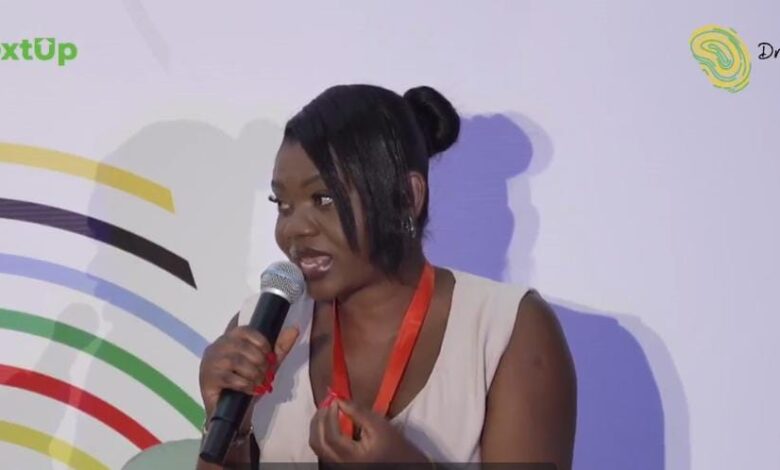
Josephine Siaw-Agyemang, Founder of Ensiegne, has challenged educators, developers, and young professionals to move beyond surface-level use of digital tools and focus on building strong learning, research, and communication skills.
She made the call at the Drive to Inspire — Africa (DTI-A) NextUp breakfast meeting held at the Accra International Conference Centre, on the sidelines of the Africa Prosperity Dialogues 2026, Wednesday, 4th February 2026. As the name implies, NextUp affirms that African youth are next in line for global leadership, economic growth, expanded opportunities, and greater recognition on the world stage.
The panelists explored how emerging technologies including artificial intelligence, digital payment infrastructure, and Web3 are enabling cross-border trade, innovation, and entrepreneurship. Bernard Dzakpasu, Manager for GRC & ESG Services at KPMG West Africa, served as the moderator of the DTI-A breakfast meeting.
Josephine Siaw-Agyemang noted that, the real gap is not access to technology, but the ability to learn quickly, adapt skills, and communicate ideas clearly. “If you need technology to solve a problem but cannot clearly explain what you want it to do, that’s already a loss,” she noted.
She emphasized the importance of storytelling and communication, explaining that ideas only gain power when people can clearly tell their stories and question information presented to them. In her view, problem-solving, research, and effective questioning are now essential skills for the modern world.
Addressing the growing use of artificial intelligence, Siaw-Agyemang warned against over-reliance on AI tools. She pointed out that AI systems have limitations and biases, and users must learn how to question and challenge AI outputs rather than blindly copying and pasting responses.
She also highlighted the lack of authentic African representation in AI systems, noting that African voices, particularly from regions beyond Nigeria—are often missing or poorly represented. This, she said, underscores the need for African developers, educators, and data contributors to collaborate and ensure AI reflects the continent’s diverse realities.
For educators, she stressed the responsibility to teach students how to spot AI bias, understand its limitations, and use it thoughtfully, rather than treating it as an unquestionable authority.