APD26: Dr. Nkosazana Dlamini-Zuma calls for skills revolution in STEM and innovation
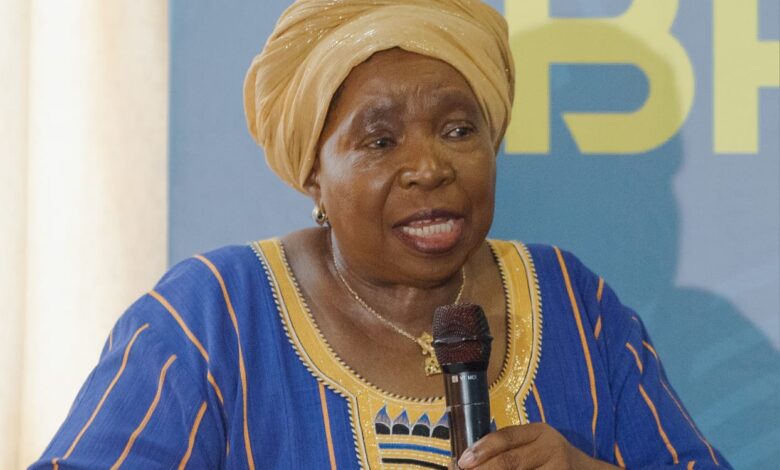
H.E. Dr. Nkosazana Dlamini-Zuma, Chairperson of the Africa Prosperity Network (APN) Advisory Council, has called for a skills revolution in science, technology, engineering, and medicine (STEM) to drive Africa’s innovation and long-term prosperity. She made the remarks while delivering her welcome address at the Africa Prosperity Network Dialogue (APD) 2026 in Accra on Wednesday, 4th February.
APD 2026, which runs from 4th to 6th February under the theme “Empowering SMEs, Women and Youth in Africa’s Single Market: Innovate. Collaborate. Trade,” brought together heads of state, business leaders, innovators, and civil society representatives to discuss strategies for boosting intra-African trade, entrepreneurship, and youth empowerment.
In her address, Dr. Dlamini-Zuma highlighted that Africa’s development must be driven by its people, especially women and youth. She stressed that empowering small and medium-sized enterprises (SMEs) and providing access to quality education and digital tools is essential for realizing Africa’s continental free trade and single market initiatives.
“Our collective success will be measured by whether we deliver a skills revolution, particularly in STEM, so that Africans can innovate and drive the continent towards lasting prosperity and peace,” she said. She urged African countries to invest in skills aligned with future job markets, foster good governance, and create an enabling environment for entrepreneurship and innovation.
Dr. Dlamini-Zuma also called on African nations to embrace technological development, particularly artificial intelligence (AI), ensuring that African data and knowledge shape the continent’s future rather than relying solely on external sources.
She further emphasized the need for greater inclusion of women and youth in trade and enterprise. “Women contribute nearly 50% of GDP yet face systemic exclusion from finance, markets, and trade networks. Youth make up 60% of Africa’s population, yet unemployment remains structurally high,” she noted, urging investment in entrepreneurial opportunities that could create up to 50 million jobs by 2030.
Touching on the importance of continental integration, she called for simplified trade regimes, cross-border mobility, and removal of tariffs and non-tariff barriers to deepen intra-African trade, currently estimated at only 15% compared to Europe’s 60–70%. She cited Botswana, Namibia, and Zambia as examples of countries that have successfully implemented borderless trade without compromising security.
“The measure of success for this dialogue will not be the eloquence of our discussions, but the courage of our implementation,” Dr. Dlamini-Zuma said. She urged participants to empower SMEs, innovate collaboratively, and send a clear message to African youth that their future lies on the continent, not in perilous journeys abroad.