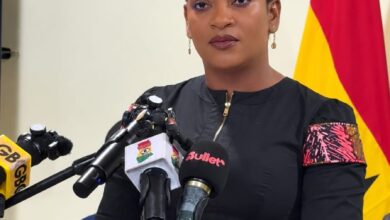
Prof. Frimpong-Boateng, Nyaho Tamakloe and Christine Amoako-Nuamah sue NPP, NDC, and CPP over delegate-based flagbearer elections
Three most distinguished elder statespersons have launched a legal challenge at the Supreme Court, seeking to dismantle the "delegate-based" electoral systems used by major political parties.

Three most distinguished elder statespersons have launched a legal challenge at the Supreme Court, seeking to dismantle the “delegate-based” electoral systems used by major political parties.
The lawsuit, filed on January 23, 2026, by renowned cardiothoracic surgeon Prof. Kwabena Frimpong-Boateng, medical practitioner Dr. Nyaho Nyaho-Tamakloe, and former Minister of State Dr. Christine Amoako-Nuamah, argues that the current method of selecting presidential and parliamentary candidates is unconstitutional and “oligarchic”.
The Disenfranchisement Argument
The plaintiffs contend that the New Patriotic Party (NPP), the National Democratic Congress (NDC), and the Convention People’s Party (CPP) have replaced broad-based democracy with a “restricted electoral college” system.
Under these current rules, only a tiny fraction of party members—typically executives, office holders, and selected delegates—are permitted to vote for a flagbearer.
According to the writ, this system “severely disenfranchises” hundreds of thousands of ordinary party members in good standing, effectively creating a “privileged voting class”.
“The delegate-based Electoral College system… which confines or restricts voting to specified executives… to the exclusion or material disenfranchisement of members in good standing of the party, contravenes the Preamble and Articles 1, 17, 33(5), 35(6)(d), 42 and 55(5) of the 1992 Constitution,” the plaintiffs argued in their statement of case.
The legal team, led by Oliver Barker-Vormawor, is asking the Supreme Court to declare that the “internal organization” of any political party must mirror the democratic principles of the national constitution.
This would mean moving toward universal member suffrage for all internal elections.
The suit specifically targets:
- The NPP’s Article 13, which limits presidential selection to an electoral college.
- The NDC’s Articles 43 and 44, which reinstate a delegate structure over universal suffrage.
- The CPP’s Articles 53, 96, and 77, which use a National Delegates Congress model.
The Electoral Commission Under Fire
The Electoral Commission (EC) has been joined as the 4th Defendant, with the plaintiffs alleging the election management body has “failed, refused, or neglected” to enforce Section 9(a) of the Political Parties Act (Act 574).
This law mandates that a party’s internal organization must conform to democratic principles before it can even be registered.
The Supreme Court Writ: Key Reliefs Sought
| Relief Requested | Target | Legal Basis |
| Strike Down Delegate Systems | NPP, NDC, CPP | Violation of Art 55(5) (Democratic Principles). |
| Order for Constitution Revision | 1st, 2nd, 3rd Defendants | Mandate procedural changes for “equal, direct” voting. |
| Regulatory Enforcement Order | Electoral Commission | Compel the EC to vet party constitutions for democratic compliance. |
| Declaration of “Political Equality” | All Parties | Ensure every member has equal voice regardless of office. |
Why This Matters Now
The timing of the lawsuit is critical. With the 2024/2026 election cycles approaching, the plaintiffs argue that the “gatekeeping function” of these internal colleges determines who can access the highest offices in the Republic. By filtering candidates through a narrow elite, the plaintiffs claim the “chain of accountability” between the people and the state is broken.
“It would be constitutionally incoherent to demand equality and universality at the final election while tolerating exclusion and hierarchy at the decisive internal stage,” the writ concludes.
Filed-Version-SC-writ-Plfs.-Frimpong-Nyaho-Tamakloe-and-Amoako-Nuamah-copy
MyJoyOnline