NDPC and UNICEF collaborate to drive child and adolescent development forward
The National Development Planning Commission (NDPC), in collaboration with UNICEF, is convening a three-day high-level planning session in Akosombo to accelerate progress on child-centred Sustainable Development Goals (SDGs) in Ghana.
Held under the theme “Planning Together for a Better Future for Children and Adolescents in Ghana,” the engagement brings together government institutions, development partners, civil society organisations and academia to strengthen coordination and translate evidence into measurable policy action for children and adolescents.
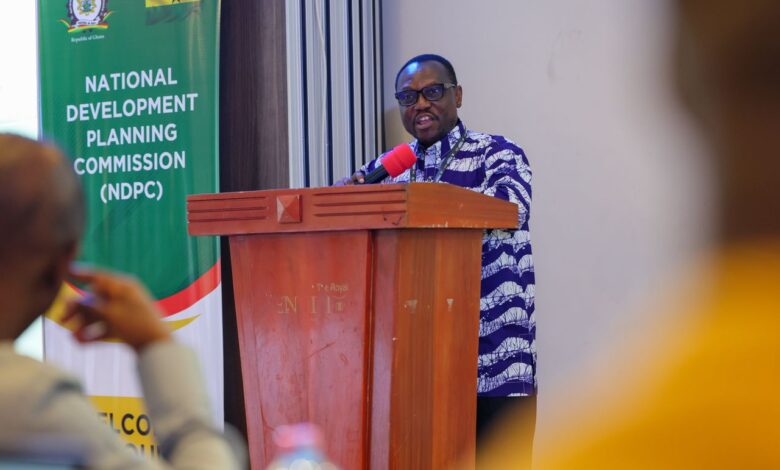
Delivering the opening remarks on behalf of the Director-General of NDPC on Monday, 26 January 2026, the Director of Research, Mr Richard Tweneboah-Kodua, underscored the importance of a coordinated and evidence-based approach to improving child and adolescent outcomes.
He described the session as “an opportunity to align evidence, policy and investment around clear and measurable results for children and adolescents,” stressing that national planning must directly respond to persistent development gaps.
While acknowledging Ghana’s progress in reducing stillbirths and neonatal mortality, Mr Tweneboah-Kodua noted that maternal and under-five mortality rates remain a concern. He emphasised that most maternal and neonatal deaths are preventable through timely access to quality healthcare, calling for strengthened primary healthcare systems, skilled delivery services and effective referral mechanisms.
Discussions are also focusing on critical challenges including open defecation, stunting and anaemia; foundational learning outcomes; youth not in education, employment or training; child labour; and social protection coverage.
He indicated that approximately 18 to 19 percent of Ghana’s population still practises open defecation, exposing children to preventable diseases. In addition, about 1.3 million young people aged 15 to 24 are not in education, employment or training, while over 1.1 million children remain engaged in child labour.
Mr Tweneboah-Kodua further highlighted the urgency of addressing child marriage, adolescent pregnancy and universal birth registration, describing these as essential to safeguarding girls’ education, health and long-term economic prospects.
On social protection, he cited programmes such as the Livelihood Empowerment Against Poverty (LEAP) initiative, which have demonstrated positive impacts on school attendance, nutrition and healthcare utilisation.
He emphasised that well-designed and adequately financed social protection systems remain among the most effective tools for breaking intergenerational cycles of poverty.
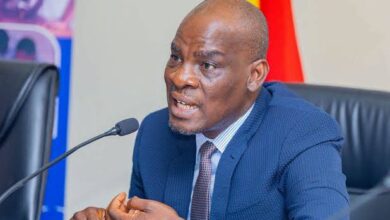
Reaffirming UNICEF’s commitment, the UNICEF Representative in Ghana, Mr Osama Makkawi, stressed the importance of strengthened partnerships in responding to increasingly complex global and national challenges.
“The world is changing and the challenges facing children are becoming more interconnected. No single institution can respond alone. Meaningful progress requires shared responsibility and sustained collaboration across sectors,” he said.
Mr Makkawi added that rapid technological changes and demands of evolving labour markets require modernised systems that are responsive to the needs of today’s young people.
The engagement is expected to generate concrete policy recommendations and coordinated commitments that will inform national development planning processes and accelerate measurable improvements in the lives of children and adolescents across Ghana.