GoldBod generates $10.8bn from small-scale gold exports in 2025 – Mahama announces
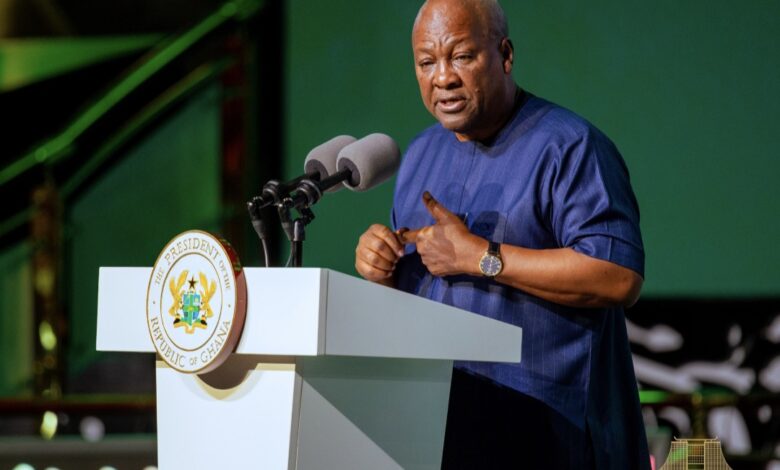
President John Dramani Mahama has disclosed that Ghana earned US$10.8 billion from small-scale gold exports in 2025 through the activities of the Ghana Gold Board (GoldBod), highlighting the government’s efforts to maximise the country’s returns from its mineral resources.
Speaking at the opening of the 2026 Mining in Motion Summit in Accra, President Mahama commended GoldBod for its performance, noting that the country’s gold exports from the artisanal and small-scale mining sector had increased significantly following the establishment of the Board in April 2025.
According to the President, Ghana exported 64 tonnes of gold from the artisanal and small-scale mining sector in 2024. In 2025, the volume increased to 104 tonnes, exported between April and December following the establishment of GoldBod.
He said the US$10.8 billion generated in 2025 represented an increase of nearly 100 per cent over the US$4.66 billion recorded in 2024. The figures, he indicated, demonstrated the importance of regulating the small-scale gold sector and retaining more value from the country’s mineral resources.
President Mahama said the government remained committed to ensuring that Ghana derived greater economic benefits from its natural resources through improved regulation, domestic value addition and stronger local participation in the mining industry.
He also highlighted the government’s local content policy, which seeks to transition mining companies from owner mining to contract mining by indigenous Ghanaian companies. The policy is intended to expand opportunities for local businesses and increase Ghanaian participation in the mining value chain.
The President, however, assured workers currently employed by operating gold mines that the transition to contract mining would not affect their remuneration or conditions of service.
He said Ghana’s mineral wealth must translate into tangible benefits for its citizens, including jobs, thriving local businesses and improved living conditions, rather than allowing the country to remain primarily an exporter of raw resources.