“GoldBod doesn’t trade currency, we generate significant forex for Ghana” — Sammy Gyamfi
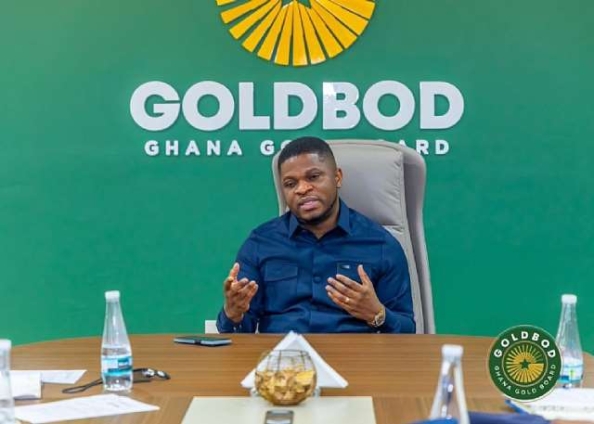
The Chief Executive Officer of the Ghana Gold Board (GoldBod), Sammy Gyamfi, has disclosed that the Board has received authorisation and guidance from the Bank of Ghana (BoG) to sell foreign exchange generated through its statutory operations.
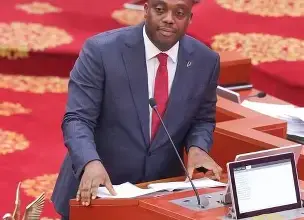
Appearing before Parliament’s Public Accounts Committee (PAC) on Tuesday, October 13, 2026, Mr Gyamfi clarified that GoldBod does not trade in foreign currency but sells the foreign exchange it earns to the central bank.
“We are a major foreign exchange earner for the country. We only sell foreign exchange that we generate from our statutory functions to the Bank of Ghana,” he said.
Mr Gyamfi said the Board was on course to meet or exceed its 2025 gold purchase and export performance while significantly increasing its foreign exchange earnings.
He reaffirmed GoldBod’s mandate to generate foreign exchange, support the accumulation of national reserves and regulate Ghana’s gold trading sector.
He also disclosed that the Board was increasing local value addition by ensuring that more gold purchased for export was refined in Ghana before shipment.
“This year we are on track to at least meet and possibly exceed our 2025 gold purchase and export targets, as well as substantially exceeding our foreign exchange generation targets for the year 2025, which was 10.8 billion United States dollars,” he told the committee.
According to Mr Gyamfi, between 80 and 90 per cent of the gold purchased and exported by GoldBod is now refined locally, reducing the reliance on foreign refining facilities.
He said the development was creating jobs, particularly for young people, while ensuring that refining fees remained within the Ghanaian economy.
He added that silver recovered as a by-product of gold refining was also being retained in the country, generating foreign exchange and supplying raw materials to the local fabrication industry.
“That means jobs for the unemployed youth because these refineries are operating 24/7, employing Ghanaians, and the refining fees which would have ended up in export destinations are being retained in our economy,” he said.
Mr Gyamfi said retaining silver and other by-products was further supporting domestic industrial activity and strengthening the local economy.
By Esther Padmore Amonoo