Government Moves to Unlock Central Region’s Trade, Investment Potential, As Trade Minister Opens EXPO
The Government has reaffirmed its commitment to leveraging the Central Region’s agricultural, tourism, industrial and human resource potential to drive production, attract investment, create jobs and expand Ghana’s export base.
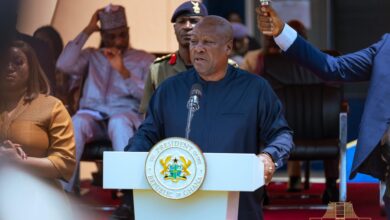
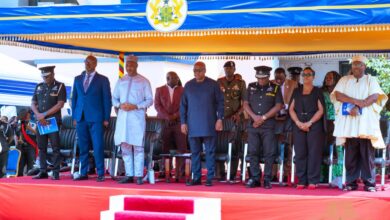
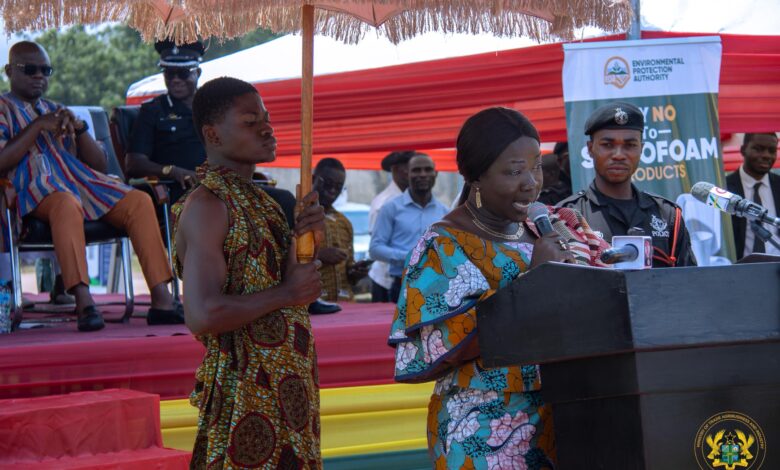
The Minister for Trade, Agribusiness and Industry, Hon. Elizabeth Ofosu-Adjare, made the commitment on Monday, August 31, 2026, when she opened the 5th Central Regional Expo on behalf of the President of the Republic, H.E. John Dramani Mahama, in Cape Coast in the Central Region.
Held under the theme, “Celebrating 5 Years of Advancing Trade, Promoting Tourism and Unlocking Opportunities,” the Expo has evolved into an important platform for businesses to showcase their products, connect with customers and investors, build partnerships and explore new markets.
The Minister congratulated the organizers, exhibitors, sponsors and other stakeholders for sustaining the initiative, noting that the Central Region’s fertile agricultural areas, fishing economy, renowned educational institutions and important tourism and heritage assets provide a strong foundation for economic transformation.
She said stronger production in the Central Region would contribute to national output, while value addition and exports would help diversify Ghana’s economy.
She noted that tourism created opportunities far beyond the attractions themselves, as visitors to Cape Coast and Elmina spent on accommodation, food, transportation, crafts and other services, thereby creating markets for farmers, fishermen, processors, artisans and other businesses.
Hon. Ofosu-Adjare therefore stressed the need for hotels, restaurants, shops and tourism establishments to increasingly source quality Ghanaian products locally as part of Government’s Made-in-Ghana Promotion agenda. She said the initiative was aimed at helping Ghanaian businesses improve product quality, packaging and standards to compete successfully both locally and internationally.
The Minister also highlighted productive infrastructure established under the now-completed Rural Enterprises Programme at Nsuaem-Kyekyewere, Agona Swedru, Assin Foso, Anomabo, Twifo Praso, Abura Dunkwa and Ajumako. She said these facilities must be put to productive use to support agro-processing, provide markets for farmers and create employment, in line with Government’s Rapid Industrialization for Jobs agenda.
She further cited the ongoing efforts to revitalize the Komenda Sugar Factory, explaining that transaction advisers had been engaged to identify prospective investors capable of operating the facility sustainably.
On garment manufacturing, the Minister disclosed that Cape Coast was one of three locations identified by Government for the establishment of garment factories with feasibility studies already underway.
She said the initiative could create opportunities in garment production and related services while providing pathways from skills development to employment and enterprise through the apprenticeship-to-Entrepreneurship initiative.
Hon. Ofosu-Adjare also highlighted the Gomoa Central Special Economic Zone, which covers about 21,000 acres and has plans for more than 200 factories, with the potential to create approximately 60,000 jobs.
She said the development could generate opportunities beyond the Central Region through increased demand for raw materials, logistics, skilled labour and other services across Ghana.
She noted that Ghana’s non-traditional export earnings exceeded US$5 billion in 2025, with manufactured and semi-processed products accounting for more than 80 per cent of the earnings.
According to her, the Export Ghana agenda and the Accelerated Export Development Programme were intended to help more Ghanaian businesses access larger markets, particularly through the African Continental Free Trade Area (AfCFTA), which offers access to a market of about 1.3 billion people with a combined GDP of over US$3 trillion.
The Minister further said the 24-Hour Economy provided a wider framework for making better use of factories, cold-chain facilities, transportation, tourism and other productive assets while creating additional employment opportunities.
She urged the organizers of CENTRAL EXPO to ensure that the benefits of the fair extended beyond the exhibition period, stressing that its success should increasingly be measured by the businesses that secure new customers, distributors, financing, investment partnerships and access to larger markets through the platform.
The Central Regional Minister, Hon. Ekow Panyin Okyere Eduamoah, in his message, described the fifth anniversary of CENTRAL EXPO as a significant milestone in the Region’s efforts to transform its history, culture and heritage into jobs, wealth and capital for its people.
He said the Expo had grown beyond an exhibition into an economic platform where bead makers could connect with exporters, fisherfolk with cold-chain investors, and farmers, weavers, potters, hoteliers, start-ups and students with new opportunities.
The Regional Minister said the Central Region’s tourism and heritage assets, arable land, youthful and enterprising population, vibrant SME sector and strong educational base positioned it to attract increased investment. She said the fifth anniversary was an opportunity to celebrate five years of consistency and growth, open the Region further to investors and development partners, empower young people and women, and project the Central Region to the world.
The Omanhene of the Oguaa Traditional Area, Osabarima Dr. Kwesi Atta II, also welcomed participants to Cape Coast and underscored the important role of traditional authorities in supporting trade, tourism, investment and sustainable development in the Region.
He called for stronger collaboration among Government, the private sector, traditional authorities and development partners to unlock the Central Region’s economic potential and create meaningful opportunities for its people.
The 5th Anniversary of CENTRAL EXPO brought together government officials, traditional leaders, businesses, entrepreneurs, investors, exhibitors, development partners and other stakeholders to showcase products, services, investment opportunities and the rich cultural and tourism potential of the Central Region.