Nebraska Farmers Face Bankruptcies And Auctions As Financial Pressure Mounts
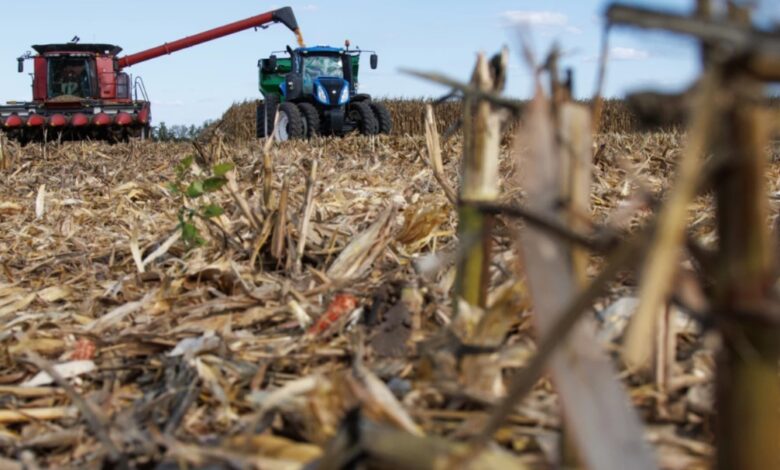
Farmers across Nebraska are facing one of the toughest financial stretches in years, with rising costs, falling commodity prices, and stalled federal support pushing more operations into bankruptcy and forced auctions.
Agricultural leaders in the state say 2026 is shaping up as another year of uncertainty, as tight margins continue to squeeze corn and soybean producers who rely heavily on federal assistance.
Bankruptcies Hit Six-Year High
Farm bankruptcies in the US have reached a six-year high, driven by high fuel prices, fertilizer costs, and rising labor expenses in the post-Covid economy.
In Nebraska, the pressure is visible on the ground. Hansen-Mueller Co., a major grain and farm operation in the state, filed for Chapter 11 bankruptcy this year.
Last year, Schow Auction Service auctioned tractors, trucks, balers and livestock equipment from Schilz Family Farms in Brule, Nebraska, a sign of the growing number of families being forced to sell off assets.
Industry analysts say low commodity prices and declining export markets have made it harder for crop farmers to break even, even as input costs remain elevated.
“Time Is Running Out” For Federal Help
According to KETV News in Nebraska, state agricultural leaders warn that time is running out for federal lawmakers to act.
The new US Farm Bill has stalled in the Senate, which is currently on recess until September. With midterm elections for Congress scheduled for November, legislators are expected to shift focus to campaigns in their districts, leaving national issues like farm policy on hold.
For Nebraska farmers who produce mainly corn and soybeans, USDA programs and the Farm Bill are critical lifelines for risk management, conservation and trade support.
“Without action in Washington, many farmers will head into the next planting season without the certainty they need,” one state ag leader told KETV.
Financial Stress Takes A Human Toll
Beyond balance sheets, the crisis is also affecting rural communities. Reports indicate farmer suicides are rising in Nebraska as financial hardships deepen.
Farm groups say the combination of volatile markets, trade disruptions, and policy delays has created a mental health strain across the Midwest.
Outlook Remains Uncertain
With export demand soft and input costs still high, Nebraska crop farmers say they are bracing for another difficult year.
Agricultural advocates are urging Congress to return to the Farm Bill quickly when the Senate reconvenes, arguing that delayed action could lead to more farm closures and auctions across the state in 2026.
For many Nebraska families, the hope is that federal support arrives before more farms are lost.