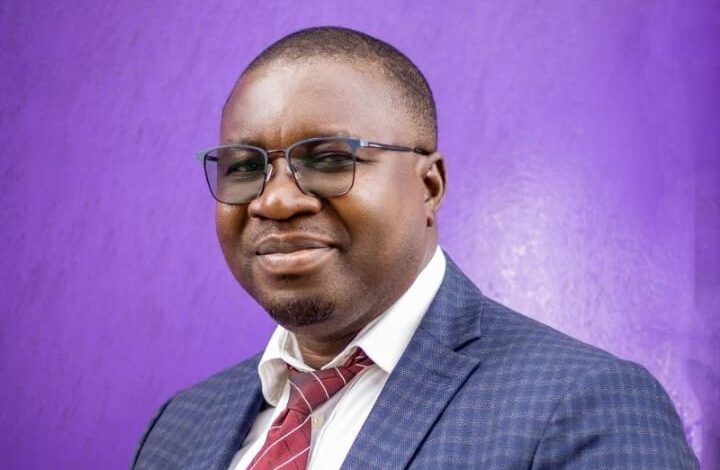
The Ashanti Regional President of the Ghana Journalists Association (GJA), Kofi Adu Domfe, has defended the jailing of a TikToker over alleged defamatory comments about the President, insisting that freedom of speech does not give anyone the right to spread falsehoods.
Speaking on the growing controversy surrounding the case via a zoom interview on Kessben TV’s Digest show, Mr. Domfe cautioned that social media platforms must not become safe havens for reckless and defamatory content.
“The social media must not be used recklessly,” he stated.
He stressed that bloggers, influencers, and journalists should not hide behind the principle of free speech to justify defamatory publications.
“Bloggers and journalists must not frown on defamation law in the name of free speech.”
Mr. Domfe also expressed concern over the increasing number of unregulated online content creators, saying many people now claim to be journalists simply because they own smartphones.
“Everybody picks a phone and begins to claim they are news publishers, denting the image of ethical journalism.”
According to him, the media landscape requires greater accountability to protect the integrity of journalism and ensure the public receives credible information.
He therefore called for stronger regulation of new media platforms and content creators.
“We need to pay critical attention to the new media and streamline their activities.”
Commenting on the jailed TikToker’s remarks about the President, Mr. Dimfe argued that the statements amounted to unsubstantiated falsehoods that fall within the scope of criminal offences.
“What the woman said on social media about the President borders on defamation and unsubstantiated falsehood.”
He concluded by reminding media practitioners and online commentators that the constitutional right to free expression comes with responsibility.
“Freedom of speech has its limitation, so whether you are a blogger or a journalist, you must be responsible and mindful of the kind of information you spread to the public.”
His remarks come amid an intensifying national debate over online misinformation, responsible digital communication, and the balance between free expression and accountability on social media.
By Maurice Otoo