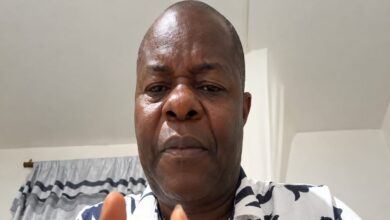
Policy analyst Charles Agyemang Prempeh has argued that expanding the delegate base of political parties will not eliminate vote buying, insisting that the problem is rooted in the political culture rather than the size of the electorate.
Speaking via a zoom meeting on Kessben TV’s Digest show, Agyemang Prempeh insisted, Ghana’s political system cannot shield Members of Parliament from being challenged, as it is the constitutional right of constituents to decide who represents them based on their performance.
He maintained that delegates increasingly view voting as a business transaction, which explains why many demand money before casting their ballots during internal party elections.
“The politicians themselves are the beneficiaries of the practice, and that has emboldened delegates to openly demand what they expect to receive before voting,” he stated.
Mr. Prempeh also pointed to the role of traditional authorities, claiming that some aspiring candidates are expected to “pacify the gods” before they are granted an audience, adding another layer to the financial burden of contesting elections.
He argued that the abuse of the current system was created by politicians for their own benefit and warned that simply increasing the number of delegates would only reduce the amount paid to each delegate—not eliminate the influence of money in politics.
According to the policy analyst, meaningful reforms must address the incentives that fuel vote buying rather than focusing solely on expanding the delegate base.
By Maurice Otoo