Climate Change Fuelled Ghana’s Deadly Floods as Scientists Warn of Tougher Weather Ahead
Ghana’s recent devastating floods were not just a result of heavy rainfall, but a sign of a changing climate, according to new research by climate scientists.
The analysis by the World Weather Attribution team has found that rising global temperatures made the extreme rainfall that hit Ghana and other coastal West African countries significantly worse.
The study revealed that the three-day downpour experienced across Ghana, Côte d’Ivoire, Togo and Nigeria was about five times more likely to happen in today’s warmer climate. Scientists also found that the intensity of such rainfall events has increased by about 23 per cent compared to historical levels.
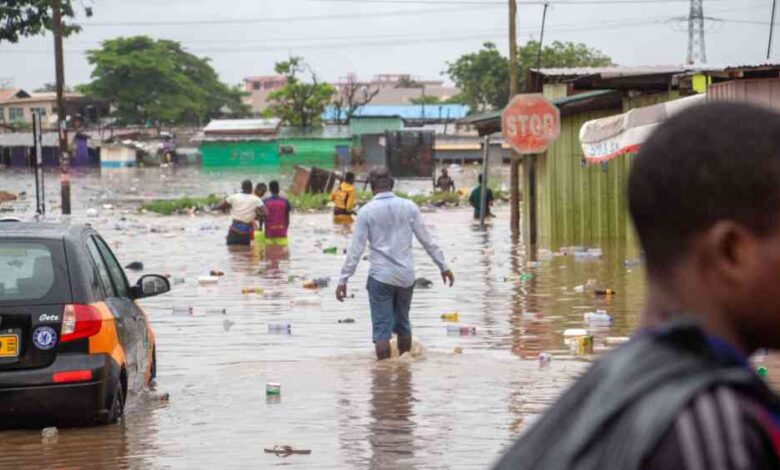
In June, several coastal communities across the region were overwhelmed after some areas recorded more than 140 millimetres of rainfall in a single day, causing flash floods, destroying properties and disrupting livelihoods.
Ghana was among the worst affected countries, with at least 34 lives lost and thousands of residents forced to leave their homes. Roads, homes and other public infrastructure were also damaged as drainage systems struggled to contain the volume of water.
Climate experts are warning that such extreme weather events could become more common if global temperatures continue to rise. They are calling on governments to invest in stronger drainage systems, climate-resilient infrastructure and improved disaster preparedness.
Professor Friederike Otto, a climate scientist at Imperial College London and co-founder of World Weather Attribution, said adapting to more frequent extreme weather events is critical, but reducing greenhouse gas emissions remains necessary to limit future climate impacts.
Researchers also highlighted the need for increased international support for vulnerable countries like Ghana, which face severe climate consequences despite contributing relatively little to global emissions.
The findings have renewed calls for urgent action to strengthen flood prevention measures and build climate resilience across West Africa.